
Dry bulk markets were quiet and mostly flat last week. Spot rates softened a little bit as vessel owners threw in the towel on waiting for improved demand. Most hopes for any recovery in rates now rests on the new U.S.-China trade deal. After the positive meeting between Presidents Xi and Trump on Thursday in South Korea, sentiment and rates did improve for parts of the dry-bulk sector. The grain-focused Panamax and Supramax markets in particular saw a little better support further out on the forward curve. Spot rates, however, remain weak with traders waiting to see improved cargo volumes from the U.S. Gulf and PNW before chasing the market. One of the big factors for grain traders is this week’s sudden change in the comp...



 content here...
 An Ankylosaurus lumbers along the shore of what’s now eastern Montana. Walking low to the ground, the dino uses its flat, leaf-shaped teeth to tear at ferns lining the water. Suddenly, a shadow looms over the herbivore—a Tyrannosaurus rex is hungry. But Ankylosaurus won’t be a...

From WPI Consulting
Infrastructure investment due diligence
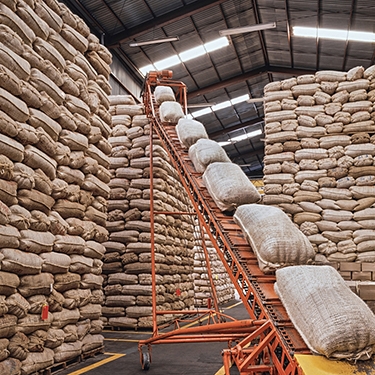
On behalf of a Canadian oilseed processer WPI's team provided market analysis, econometric modeling and financial due diligence in support of a $24 million-dollar investment in a Ukrainian crush plant. Consistent with WPI's findings, local production to supply the plant and the facility's output have expanded exponentially since the investment. WPI has conducted parallel work on behalf of U.S., South American and European clients, both private and public, in the agri-food space.